
The UK recently launched its shiny new Online Services Act, a law meant to protect kids from the dark corners of the internet. Great idea in theory – nobody wants eight-year-olds stumbling across things that even most adults wish they hadn’t seen.
But the reality? Let’s just say the kids won this round before the politicians even finished their press conference.
How kids are sneaking past the rules
Lawmakers imagined this ironclad digital fortress. But what they got looks more like a cardboard fort – and kids found the entrance faster than you can say “cybersecurity.”
The favorite trick? VPNs. One tap and voilà – suddenly they’re “browsing from a country” where no age checks apply.
And that’s just the warm-up:
- Some borrow mom or dad’s Facebook photo for a selfie check.
- Others use video game avatars that can perfectly mimic the required head turns.
- Old email accounts? Goldmine – they’re already age-verified and happy to bypass restrictions.
- And the fearless ones? Uploading ID scans or using payment cards like it’s no big deal (hello, future data breach).
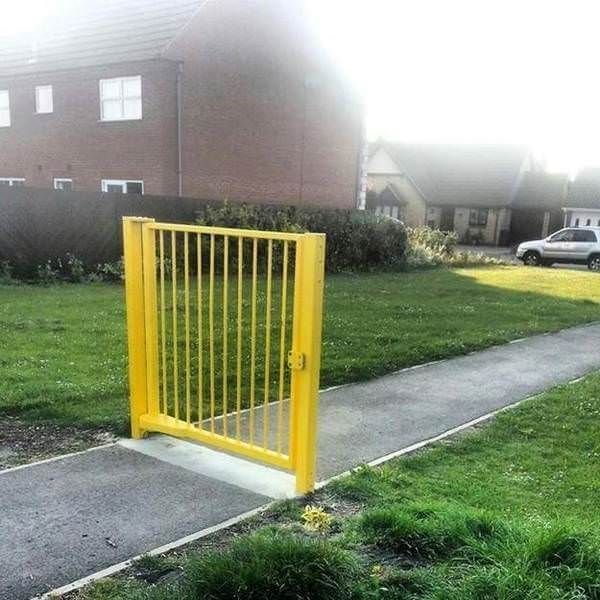
Why tech walls don’t stop curious minds
Back in my computer science days, a professor told us: “There’s no security measure that can’t be broken. Sometimes, breaking it just isn’t worth the trouble.”
Clearly, for today’s kids, it is worth it. Millions have been spent building this fortress of verification, only for a random 13-year-old to knock it down between bites of pizza. Meanwhile, actual adults have to jump through hoops just to prove they’re over 18 and not some sneaky teenager.
Maybe we’re fighting the wrong battle
Here’s the thing – we can keep piling on fancy digital locks, but kids are basically turning into tiny hackers-for-hire. The smarter approach? Talk to them.
Yep, I know, it’s not as exciting as “next-gen AI-powered age gates,” but honest conversations work better than any firewall. Teach kids what’s out there, how to handle it, and why some things are worth avoiding. That’s something no law or clever bit of code can do for us.
So, what now?
The Online Services Act came from good intentions. But good intentions alone don’t win digital cat-and-mouse games. Until we mix tech with real education, we’ll keep seeing the same result:
- Kids cruising past barriers.
- Adults stuck in digital paperwork purgatory.
- Lawmakers scratching their heads and calling another committee meeting.
Maybe, just maybe, it’s time we admit this isn’t about stronger locks. It’s about raising smarter, better-prepared kids who know when not to open certain doors.
What’s your take? Should we keep building tougher digital walls or start teaching kids how to navigate the online world themselves? I’m curious – and hey, maybe one of those clever kids already has the answer.

Written by Peter Sawicki, an experienced strategist with a background spanning multiple industries, from private enterprises to government projects. Having worked across different countries and markets, I bring a global perspective and practical insights to every SEO strategy I design. As a diver and adventure seeker, I’ve learned to balance attention to detail with a drive to explore new solutions, a mix that shapes both my work and my life.