Most destination marketing organizations publish content the same way they have for a decade: blog posts about “Top 10 Things to Do,” a few seasonal articles, maybe some influencer partnerships. Then they wonder why their website traffic does not convert into actual bookings. The problem is not the content itself. The problem is that there is no strategy connecting that content to revenue.
I have audited over 50 tourism websites in the past three years, and the pattern is consistent: lots of content, zero funnel mapping, internal links that go nowhere useful, and analytics that track pageviews instead of booking intent signals. This guide will show you how to build a destination content strategy that actually moves visitors from “I might want to go somewhere” to “I just booked.”
Why Most DMO Content Strategies Fail
When I worked with a Caribbean DMO last year, they had published 400+ articles over five years. Traffic looked healthy. But when we traced user journeys, fewer than 2% of blog visitors ever reached a booking partner page. The content existed in a vacuum, disconnected from any commercial outcome.
Three root causes keep showing up:
No funnel awareness. Content teams create articles without understanding where each piece sits in the traveler decision journey. An article about “Best Beaches in [Destination]” serves a completely different purpose than “[Destination] Hotel Comparison: Beachfront vs. Downtown.” Treating them the same is a strategic failure.
Internal linking as afterthought. Most DMO sites link randomly or not at all. Internal links are your primary tool for guiding users deeper into the funnel, yet I consistently see them used only for SEO purposes, pointing to whatever page “needs more authority” rather than what the user actually needs next.
Content measured by wrong KPIs. Pageviews and time on page tell you almost nothing about commercial intent. A visitor who spends 8 minutes reading about local history is less valuable than one who spends 90 seconds comparing hotel options and clicks through to a booking partner.
The Destination Content Funnel: Four Stages That Matter
Forget the generic awareness/consideration/decision framework. Destination marketing has its own funnel, and understanding it changes how you plan every piece of content.
Stage 1: Inspiration (“I Want to Travel Somewhere”)
This is where most DMO content lives, and where most of it should not. Inspiration content targets travelers who have not chosen a destination yet. Think “Best Winter Sun Destinations” or “Tropical Islands for Couples.” You are competing against every destination on Earth.
The strategic question: should you even play here? For smaller DMOs, I usually recommend focusing budget elsewhere. Large destinations with brand recognition can afford inspiration content. A regional tourism board for a mid-sized European city probably cannot compete with Bali and the Maldives for generic “beach vacation” searches.
Content types that work at this stage:
- Comparison articles where your destination wins on specific criteria
- “[Destination] vs. [Competitor Destination]” pieces
- Visual storytelling content designed for social sharing
Stage 2: Orientation (“I Chose Your Destination, Now What?”)
This is the stage most DMOs neglect, and it is where you can capture massive search volume with conversion-ready visitors. They have already decided to visit. They need to understand the destination: neighborhoods, regions, travel logistics, best times to visit, practical information.
When I built the content strategy for a Costa Rican tourism operator, orientation content outperformed inspiration content 4:1 in terms of downstream bookings. Visitors searching “[Destination] in January weather” or “How to get from [Airport] to [Region]” are planning a real trip.
Content types that work at this stage:
- Regional guides (“[Destination] Regions Explained”)
- Best time to visit articles with specific month-by-month breakdowns
- Transportation guides and logistics content
- First-time visitor guides
- Neighborhood breakdowns for cities
Stage 3: Planning (“I Need to Book Specific Things”)
Now we are getting commercial. Planning-stage visitors search for hotels, tours, restaurants, activities. They want comparison content, reviews, and specific recommendations. This is where your content should connect directly to booking partners or your own inventory.
The mistake I see: DMOs create planning content but do not actually help users book. They write “Best Hotels in [Destination]” but the article just lists hotel names with no booking links, no price context, no practical next steps.
Content types that work at this stage:
- Hotel comparison guides with clear booking CTAs
- Tour operator roundups with booking links
- Restaurant guides organized by neighborhood, cuisine, or price
- Activity guides with practical booking information
- “Best [Activity] in [Destination]” with actual operator recommendations
Stage 4: Pre-Trip (“I Booked, What Do I Need to Know?”)
Often ignored entirely, pre-trip content serves visitors who have already booked but want to maximize their experience. Packing lists, cultural etiquette, tipping guides, safety information, app recommendations. This content builds brand loyalty and positions your DMO as an ongoing resource.
Pre-trip content also captures search volume from travelers who booked through OTAs or tour operators but still need destination information. You cannot convert them, but you can capture email signups and build a remarketing audience for future trips.
Content types that work at this stage:
- Packing guides specific to activities and seasons
- Cultural guides and etiquette tips
- Money and tipping guides
- Safety and practical information
- App and tool recommendations for travelers

Content Type Matrix: What to Create for Each Funnel Stage
After mapping content for dozens of destinations, I use this framework to ensure coverage across the funnel without overinvesting in any single stage.
Pillar content (2,000+ words): One or two pieces per funnel stage, targeting high-volume keywords. These are your main ranking assets. Examples: “Complete Guide to [Destination],” “[Destination] Hotels: Everything You Need to Know,” “Planning Your First Trip to [Destination].”
Cluster content (800-1,500 words): Supporting articles that target long-tail variations and link back to pillars. Examples: “[Destination] Hotels Under $100/Night,” “[Specific Region] Beach Guide,” “[Activity] Operators in [Destination].”
Quick-answer content (300-800 words): Direct responses to specific questions, optimized for featured snippets and voice search. Examples: “Is [Destination] Safe for Solo Travelers?” “Do You Need a Visa for [Destination]?” “What Currency Does [Destination] Use?”
The ratio I recommend for most DMOs: 20% pillar content, 50% cluster content, 30% quick-answer content. This gives you ranking power from pillars, topical coverage from clusters, and SERP feature opportunities from quick-answer pieces.
Internal Linking Architecture That Guides Users Toward Bookings
Your internal links are your sales funnel in HTML form. Every link should answer the question: what does this user need next?
I audit internal linking by mapping user intent progression. A visitor on “Best Time to Visit [Destination]” has orientation intent. Their logical next step is either regional information or planning content. Links should go to “[Destination] Regions Guide” or “How to Plan a [Destination] Trip,” not to “History of [Destination]” or your homepage.
The hub-and-spoke model works: Pillar pages act as hubs, cluster content as spokes. Every spoke links back to its hub. Hubs link to relevant spokes. But add a layer: cross-funnel links that move users from orientation to planning, from planning to specific booking pages.
Contextual linking rules I enforce:
- Every article links to at least one piece in the next funnel stage
- Anchor text describes the destination page, not generic “click here” or “learn more”
- Links appear within the first 300 words, not just at the end
- Commercial pages (booking, partner listings) receive links from at least 5 non-commercial pages
Track internal link clicks in GA4 to see which pathways users actually follow. You will discover that some of your most linked pages get zero clicks because the context is wrong.
Measuring Content Performance Beyond Pageviews
When I set up analytics for destination clients, I track these metrics instead of vanity numbers:
- Funnel stage progression rate: What percentage of visitors to orientation content proceed to planning content? This tells you whether your internal linking and CTAs are working. A healthy rate is 15-25%. Below 10% means your content is not connecting.
- Booking partner click-through: For planning-stage content, track how many users click through to booking partners. This is your primary commercial metric. Use UTM parameters religiously so partners can report back on actual conversions.
- Email capture rate: Especially for pre-trip content where direct booking is not possible. A visitor who gives you their email for a “[Destination] Trip Planning Checklist” can be nurtured for future visits.
- Search intent match: Compare your target keyword intent with actual user behavior. If you wrote an orientation piece and 80% of visitors bounce immediately, the content may not match what searchers expected.
A Real Implementation Example
In 2022, I helped restructure content for a Southeast Asian island destination. They had 180 published articles, decent traffic, and almost zero trackable bookings from organic search.
We audited every piece and categorized by funnel stage. The breakdown: 65% inspiration, 20% orientation, 15% planning, 0% pre-trip. Completely inverted from what makes commercial sense.
Over six months, we:
- Created 12 new orientation pillar pages covering regions, seasons, and logistics
- Built out planning content for accommodations, diving operators, and restaurants with actual booking CTAs
- Added pre-trip content to capture booked travelers
- Restructured internal links to create clear pathways toward commercial pages
- Implemented proper tracking for partner click-throughs
Results after 12 months: organic traffic increased 34%, but more importantly, booking partner click-throughs increased 280%. The same visitors, guided better, converted at dramatically higher rates.
Common Objections and My Responses
“Our stakeholders want us to focus on brand awareness.” Brand awareness that does not convert is marketing theater. Show stakeholders the funnel math: awareness content with zero conversion pathway wastes budget. Awareness content that feeds into orientation and planning creates measurable value.
“We do not control bookings, so we cannot track them.” You can track clicks to booking partners, and you can require partners to share conversion data as part of your partnership agreement. If they refuse, reconsider the partnership.
“Our content team is too small to create this much content.” You do not need more content. You need the right content in the right places with the right links. Most DMOs could cut 40% of their existing content, reorganize what remains, and see better results.
Frequently Asked Questions
How many pieces of content does a DMO need for an effective strategy?
There is no magic number, but I recommend starting with coverage across all four funnel stages rather than depth in one. Ten well-structured pieces across the funnel outperform 50 pieces all targeting inspiration intent. Start with one pillar and three to five cluster pieces per stage, then expand based on performance data.
Should we create content for keywords we cannot rank for?
Only if you have a distribution strategy that does not depend on Google. If you can promote the content through email, social, or partnerships effectively, keyword difficulty matters less. Otherwise, target keywords where you have realistic ranking potential within 12 months.
How do we handle content about competitors or nearby destinations?
Comparison content can work well when framed correctly. “[Your Destination] vs. [Competitor]” articles often rank for both destination names and capture visitors actively comparing options. Be honest about tradeoffs. Visitors can smell marketing spin, and honest comparisons build trust even when they acknowledge competitor strengths.
What is the role of AI-generated content in destination marketing?
AI can help with research, outlines, and first drafts of factual content like visa requirements or packing lists. It should not write experiential content about what it feels like to visit. Destinations sell emotions and experiences. AI-generated descriptions of sunsets and local cuisine read hollow because they are. Use AI for efficiency on procedural content, keep humans on anything meant to inspire.
How often should we update existing destination content?
Practical information like visa requirements, transportation options, and operating hours needs review every six months. Evergreen experiential content can last 18-24 months. Any content referencing prices, schedules, or policies should be timestamped and reviewed quarterly. Set calendar reminders for each content piece based on its volatility.
Start Building Your Funnel-Aligned Content Strategy
The shift from content-as-brochure to content-as-funnel requires a mindset change more than a budget increase. Audit your existing content by funnel stage. Identify gaps. Fix your internal linking to guide users toward commercial outcomes. Measure what matters.
If you want a second opinion on your destination content strategy, or need help auditing your current approach against this framework, get in touch. I work with DMOs and tourism brands on content audits, funnel mapping, and the technical SEO foundations that make content strategies actually work.
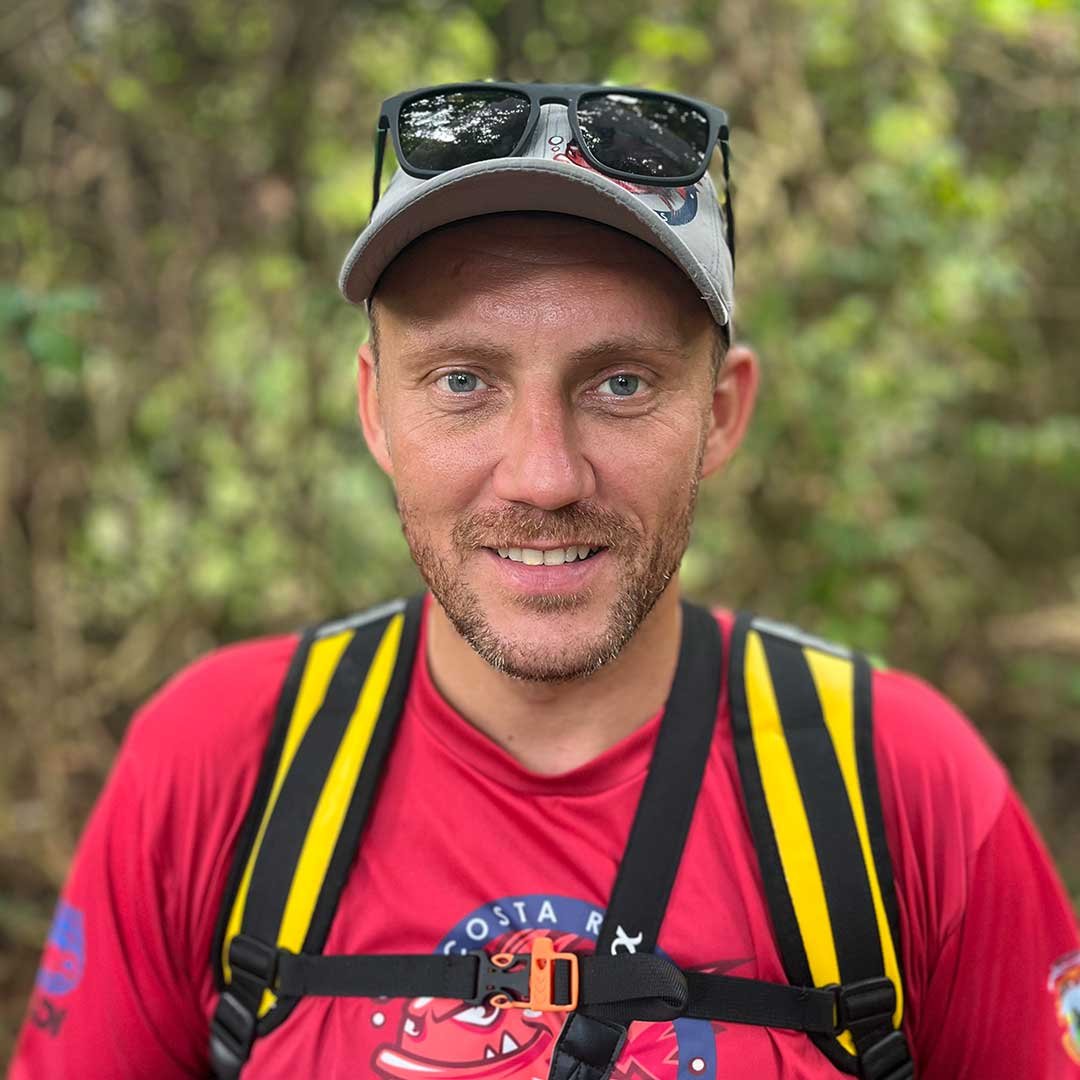
Written by Peter Sawicki, an experienced strategist with a background spanning multiple industries, from private enterprises to government projects. Having worked across different countries and markets, I bring a global perspective and practical insights to every SEO strategy I design. As a diver and adventure seeker, I’ve learned to balance attention to detail with a drive to explore new solutions, a mix that shapes both my work and my life.