Google does not care about your awards. It does not care about the press releases you sent out in 2019. What Google cares about is whether your tourism website demonstrates real expertise, genuine experience, and verifiable trustworthiness in ways its algorithms can actually detect and measure.
I have audited over 50 tourism and hospitality websites in the past three years, from small dive operations in Costa Rica to national DMOs handling millions of annual visitors. The pattern is consistent: sites that treat E-E-A-T as a checkbox exercise plateau in rankings, while sites that embed experience signals throughout their content architecture steadily climb.
Here is how to build the kind of authority Google actually trusts, based on what I have seen work across real tourism clients.
What E-E-A-T Actually Means for Tourism Sites
E-E-A-T stands for Experience, Expertise, Authoritativeness, and Trustworthiness. Google added the extra E for Experience in December 2022, and this addition matters enormously for tourism.
Think about what travelers actually need. When someone searches for “best time to visit Patagonia” or “is it safe to dive in Cozumel,” they want answers from people who have been there. Not aggregated information from someone sitting at a desk in a content mill. Google knows this, and its quality rater guidelines explicitly state that first-hand experience matters for topics where personal experience significantly affects content quality.
Tourism is the textbook example of such a topic.
When I built CostaRicaDivers.com from scratch, the content performed well not because I stuffed it with keywords but because every page reflected actual dives I had done, real conditions I had observed, and specific details only someone with 2,000+ hours underwater would know.
The visibility conditions at Catalina Islands in January. The best time of day to spot bull sharks at Bat Islands. The difference between dry season and green season diving at Caño Island. These details are not something you can fake, and Google’s systems have become remarkably good at distinguishing genuine experience from research-based content.
Experience Signals: The Foundation of Tourism E-E-A-T
Experience is the hardest E-E-A-T component to manufacture and the easiest to demonstrate if you actually have it. For tourism sites, this means building content that proves your team has been to the places you write about.
First-Person Narratives with Specific Details
Generic content sounds like this: “The Grand Canyon offers breathtaking views and is best visited in spring or fall.”
Experience-backed content sounds like this: “I hiked Bright Angel Trail in early October last year. The temperature dropped from 85°F at the rim to 60°F at Indian Garden by midday, and the mule trains heading up created bottlenecks at the switchbacks around mile two. If you are planning a day hike, start before 6 AM to avoid both the crowds and the afternoon heat.”
See the difference? The second version contains details that only someone who has done the hike would know. Google’s algorithms can detect this pattern of specificity, and more importantly, so can the human quality raters who inform those algorithms.
For every destination page on your tourism site, ask yourself: does this content contain details that prove we have actually been there? If the answer is no, the page will struggle to compete against content from people who have.
Original Photography with Proper Metadata
Stock photos are an immediate credibility killer for tourism sites. Google’s vision systems can identify stock photography, and even if they could not, users certainly can. When I see a DMO website using the same Getty Images shot of a sunset that appears on fifteen other tourism sites, I know immediately that E-E-A-T is not a priority.
Original photography signals experience in ways text cannot. But the photo itself is not enough. You need proper EXIF data, descriptive file names, alt text that describes what is actually in the image, and captions that add context. A photo captioned “Sunset at Playa Hermosa taken during our February site visit” tells Google something meaningful about your relationship with that destination.
I work with one DMO client that requires all destination content to include at least three original photos taken by staff members within the past 18 months. Their organic visibility for destination-specific queries has increased by 47% since implementing this policy. The photos alone did not cause that increase, but they are part of a larger experience-signal strategy that Google clearly rewards.
Author Bylines That Matter
Anonymous tourism content is a red flag. Every piece of destination content should have a named author with a bio that establishes their experience with that destination or topic.
A proper author bio for tourism content includes:
- The author’s name and photo
- Their specific experience with the destination or topic (not just job title)
- Relevant credentials or certifications
- A link to their author archive page on your site
- Links to their professional profiles elsewhere
When I wrote dive guides for CostaRicaDivers.com, my bio mentioned my PADI Elite Instructor certification, the number of dives I had logged at each specific site, and how long I had lived in Costa Rica. This was not vanity. It was E-E-A-T architecture.
Expertise: Demonstrating Deep Knowledge
Expertise differs from experience. You can have experience visiting a destination without having expertise in the broader context. A tourist who visited Peru once has experience. A Peru specialist who has studied the country’s history, understands its regional differences, and can advise on everything from altitude acclimatization to currency exchange has expertise.
Tourism sites need both, and they need to demonstrate both explicitly.
Topical Depth and Coverage
Expertise shows through comprehensive coverage of your subject matter. If your site claims to be authoritative on diving in Costa Rica but only has five pages about it, Google has no reason to believe you. If you have fifty pages covering every dive site, seasonality, marine life species, safety considerations, equipment recommendations, and operator comparisons, you have demonstrated topical expertise through sheer depth.
I call this the “encyclopedia test.” Could your site serve as the definitive reference for your topic? If someone wanted to learn everything about [your destination or niche], would your site provide that depth? Most tourism sites fail this test badly. They have thin content spread across many topics rather than deep content on fewer topics where they can genuinely claim expertise.
For a hotel, this might mean becoming the definitive resource for things to do in your immediate area. For a DMO, it means comprehensive coverage of every aspect of visiting your destination. For a tour operator, it means owning your specific activity category with content no competitor can match.
Proper Citations and External Validation
Expertise also means knowing what you do not know and citing proper sources for factual claims. When I write about entry requirements for a country, I link to the official government source. When I mention statistics about visitor numbers, I cite the tourism board’s data. When I reference historical information about a destination, I link to authoritative sources.
This is not just about credibility with readers. Google’s systems evaluate the quality of your outbound links as signals of your own editorial standards. Sites that cite authoritative sources are treated as more trustworthy than sites that make unsourced claims.
I have seen tourism sites lose rankings after publishing content with inaccurate information about visa requirements or safety conditions. Google’s systems, possibly informed by user behavior signals, seem to detect when content provides bad information on important topics. Citing official sources protects you from these penalties while simultaneously demonstrating expertise.

Authoritativeness: Building Recognition Beyond Your Site
Authoritativeness is about how others perceive your site. It is the E-E-A-T component most influenced by external factors like backlinks, mentions, and brand recognition.
Entity Establishment in Google’s Knowledge Graph
Does Google recognize your organization as an entity? When someone searches your brand name, do you get a knowledge panel? If not, you have work to do on entity establishment.
For tourism organizations, entity signals include:
- Consistent NAP (name, address, phone) across all citations
- A complete Google Business Profile with regular updates
- Presence in authoritative directories and industry databases
- Wikipedia presence (if notable enough to warrant it)
- Structured data that clearly identifies your organization
I worked with a regional tourism board that had been operating for decades but had minimal entity presence in Google’s systems. Their website used three different variations of their organization name, their Google Business Profile was incomplete, and their structured data was non-existent. Fixing these issues alone led to a 23% increase in branded search visibility within four months.
Topical Authority Through Backlink Profiles
Not all backlinks are equal for E-E-A-T purposes. A link from a major travel publication to your diving content matters more than a link from a random directory. Google evaluates whether your backlinks come from sources that are themselves authoritative on your topic.
For tourism sites, relevant backlink sources include:
- Travel publications and magazines
- Other tourism boards and DMOs
- Industry associations and certifications
- Local news sources in your destination
- Universities and research institutions studying tourism
Building these links requires creating content worth linking to. Press releases and outreach campaigns have their place, but the most sustainable link building comes from publishing genuinely useful resources that journalists and researchers naturally cite.
Trustworthiness: The Technical and Structural Foundation
Trustworthiness is partly about content quality and partly about technical implementation. A site can have great content but still fail E-E-A-T on trust signals if it looks unprofessional, has security issues, or lacks basic transparency.
About Page Architecture
Your About page is critical E-E-A-T infrastructure. For tourism sites, it should include:
- Your organization’s history and founding story
- Key team members with photos and bios
- Physical address and contact information
- Business registration details and licenses
- Industry certifications and memberships
- Press coverage and awards with links
I audit About pages regularly, and most tourism sites miss obvious opportunities. They talk about their “passion for travel” without establishing any credentials. They list awards without linking to the sources. They mention team members without photos or bios. These gaps hurt E-E-A-T even if the content elsewhere on the site is excellent.
Technical Trust Signals
HTTPS is mandatory. But trustworthiness extends beyond security certificates. Your site needs clear privacy policies, accessible contact information, transparent pricing (if applicable), and professional design that matches your claimed authority level.
I have seen tourism sites claiming to be premium luxury operators while running on outdated templates with broken links and fuzzy images. The mismatch between claimed positioning and actual execution destroys trust instantly.
User-Generated Content and Reviews
Reviews are trust signals, but only when implemented correctly. Importing reviews from Google, TripAdvisor, or industry-specific platforms adds third-party validation. Displaying only positive reviews while hiding negative ones destroys credibility if users discover the manipulation.
For tourism businesses, the best approach combines curated testimonials (with real names and photos when possible) with transparent links to third-party review platforms where users can see the full picture.
Implementing E-E-A-T Across Your Tourism Site
E-E-A-T is not a single project. It is an ongoing content and architectural strategy that touches every part of your site.
Audit Your Current State
Start by assessing your existing content against E-E-A-T criteria. For each major page, ask:
- Does this content demonstrate first-hand experience?
- Are specific, verifiable details included?
- Is there a named author with relevant credentials?
- Are claims properly sourced?
- Do images prove we have been to this place?
Score each page and prioritize improvements for your highest-traffic content first.
Build E-E-A-T into Your Content Workflow
New content should be created with E-E-A-T requirements built into the brief. If you are outsourcing content, require writers to have actual experience with destinations they cover, or pair them with subject matter experts who do. No more generic travel content from writers who have never left their country.
I work with several tourism clients who now require all destination content to be reviewed by someone who has visited within the past two years. This adds cost and complexity to content production, but the ranking improvements justify the investment.
Create Supporting E-E-A-T Infrastructure
Beyond individual content improvements, build site-wide infrastructure that supports E-E-A-T:
- Author archive pages for each content creator
- A comprehensive About section with team bios
- A press or media page with coverage links
- A credentials page highlighting certifications and awards
- Structured data implementing author, organization, and article schemas
Frequently Asked Questions
How long does it take to see ranking improvements from E-E-A-T work?
In my experience with tourism clients, meaningful E-E-A-T improvements typically show results within three to six months. Google needs time to recrawl and reevaluate your content. Sites with existing authority see faster improvements than new sites still building recognition. The most immediate gains usually come from fixing obvious trust signals like About pages and author bios, while deeper content experience improvements take longer to compound.
Can I outsource content creation and still maintain E-E-A-T?
Yes, but only if you pair outsourced writers with genuine subject matter experts or use writers who have actual destination experience. I have seen successful models where a local expert provides the details and a professional writer shapes the prose. The key is that first-hand experience must inform the content somewhere in the process. Generic research-based content will not compete against experience-backed content from competitors.
Do small tourism businesses need the same E-E-A-T approach as large DMOs?
The principles are identical, but the scale differs. A small dive operator in Costa Rica does not need fifty author bios, but they need one detailed bio for the owner or lead instructor. They do not need a press page with hundreds of mentions, but they need links to their Google reviews and any local coverage they have received. Small businesses often have an E-E-A-T advantage because the owner’s personal experience is genuine and demonstrable in ways that large organizations struggle to match.
How does E-E-A-T affect local pack rankings for tourism businesses?
E-E-A-T and local SEO intersect significantly. Your Google Business Profile is E-E-A-T infrastructure because it establishes entity recognition and provides trust signals through reviews and business information. A complete, accurate, regularly updated profile with strong reviews contributes to both local visibility and overall site authority. I always address GBP optimization as part of any tourism E-E-A-T strategy.
Should I remove old content that lacks E-E-A-T signals?
Not necessarily. Thin or low-quality content can dilute site-wide authority, but removing pages has its own risks including lost backlinks and broken internal links. My approach is to assess each page individually. High-traffic pages should be upgraded with experience signals. Low-traffic pages with no strategic value can be consolidated or removed. Pages with existing backlinks should be improved rather than deleted. Never remove content without checking its backlink profile first.
Building E-E-A-T That Lasts
E-E-A-T for tourism is not about gaming Google. It is about proving that your organization has the genuine experience, expertise, authority, and trustworthiness that travelers need when making decisions about their trips.
The sites that win in tourism search are the ones where real experts create real content about real experiences. If your organization has that foundation, E-E-A-T optimization is about surfacing what already exists. If you lack that foundation, no amount of optimization will compensate for missing expertise.
I help tourism organizations audit their E-E-A-T standing, identify gaps, and build content strategies that demonstrate genuine authority. If your tourism website is struggling to compete despite having real expertise behind it, the problem is likely in how that expertise is communicated to Google.
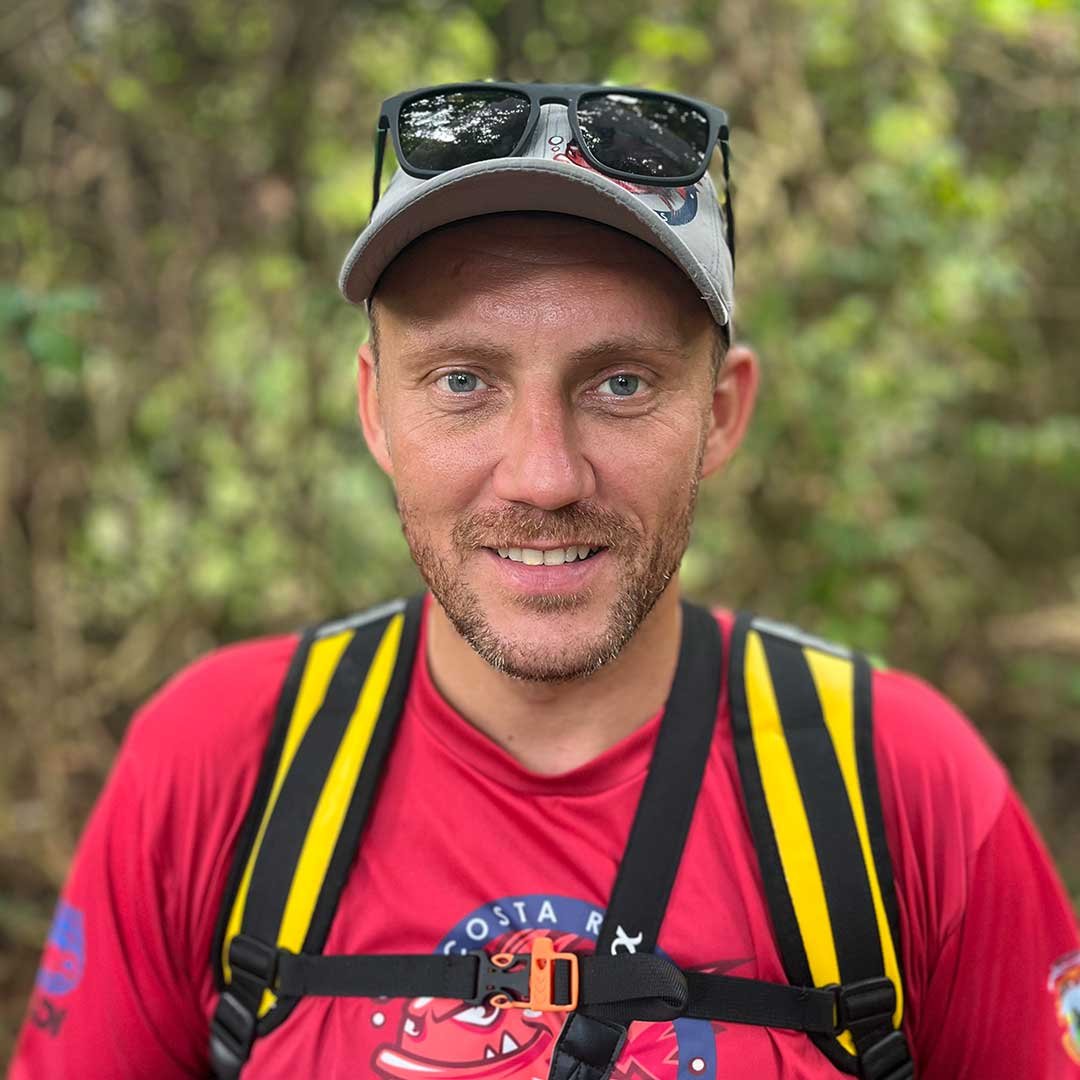
Written by Peter Sawicki, an experienced strategist with a background spanning multiple industries, from private enterprises to government projects. Having worked across different countries and markets, I bring a global perspective and practical insights to every SEO strategy I design. As a diver and adventure seeker, I’ve learned to balance attention to detail with a drive to explore new solutions, a mix that shapes both my work and my life.