SEO for Cruise Lines, Yacht Charter Companies & Liveaboard Operators
High-value maritime experiences deserve a booking channel that doesn’t hand 15 to 25 percent of every reservation to a broker or listing platform.
Cruise lines, yacht charter companies, and liveaboard operators sit in one of the highest-value segments of the travel industry. The average booking value is significant, the client relationship is intensive, and the experience itself is genuinely differentiated. Yet most of these businesses rely heavily on brokers, aggregators, and listing platforms to generate inquiries, paying commissions that erode margin on every booking.
Organic search is one of the few acquisition channels that compounds over time without a per-booking cost. I help cruise and yacht businesses build the search visibility and content authority that generates direct inquiries, reduces broker dependency, and keeps more of each booking’s revenue where it belongs.
Get a Free Visibility Audit

Broker and Aggregator Platforms Dominate the Searches Your Clients Use
Charter aggregators, liveaboard listing platforms, and broker networks have invested heavily in SEO for the exact queries prospective clients use when researching their options. A client searching for a crewed sailing yacht in the Mediterranean, a liveaboard diving trip in the Coral Triangle, or a small ship expedition cruise to a specific destination is highly likely to land on an aggregator before they ever find your website. That platform introduces them to your product and takes a commission for the introduction. The research that led them there was organic. The cost of the booking was not.
Most cruise and yacht websites do a reasonable job of presenting fleet details, route information, pricing, and booking options to visitors who arrive with existing interest. They do a poor job of being found by clients who are still in the research phase, comparing options, evaluating destinations, and deciding which type of experience is right for them. The content that answers those early questions and builds trust before a client makes their first inquiry is almost entirely absent from most maritime operator websites.
High-Value Clients Research Longer and Expect More Depth
Clients booking yacht charters, liveaboard experiences, or small ship cruises are making significant financial and experiential commitments. They research thoroughly, read extensively, and evaluate operators based on the depth and credibility of the information available before they ever make contact. Operators whose websites publish authoritative, detailed content about their routes, vessels, destinations, and onboard experience earn trust during that research phase. Operators who publish only basic fleet listings wait and hope a broker sends someone their way.
Yacht and cruise websites tend to be technically complex. Dynamic fleet inventories, availability calendars, multi-currency pricing, and route-based content structures create specific technical SEO challenges around duplicate content, crawl budget waste, and indexation gaps. Many operators have thousands of pages of potentially valuable content that search engines cannot properly access or interpret. The result is a website that looks comprehensive to a human visitor but is largely invisible in organic search.
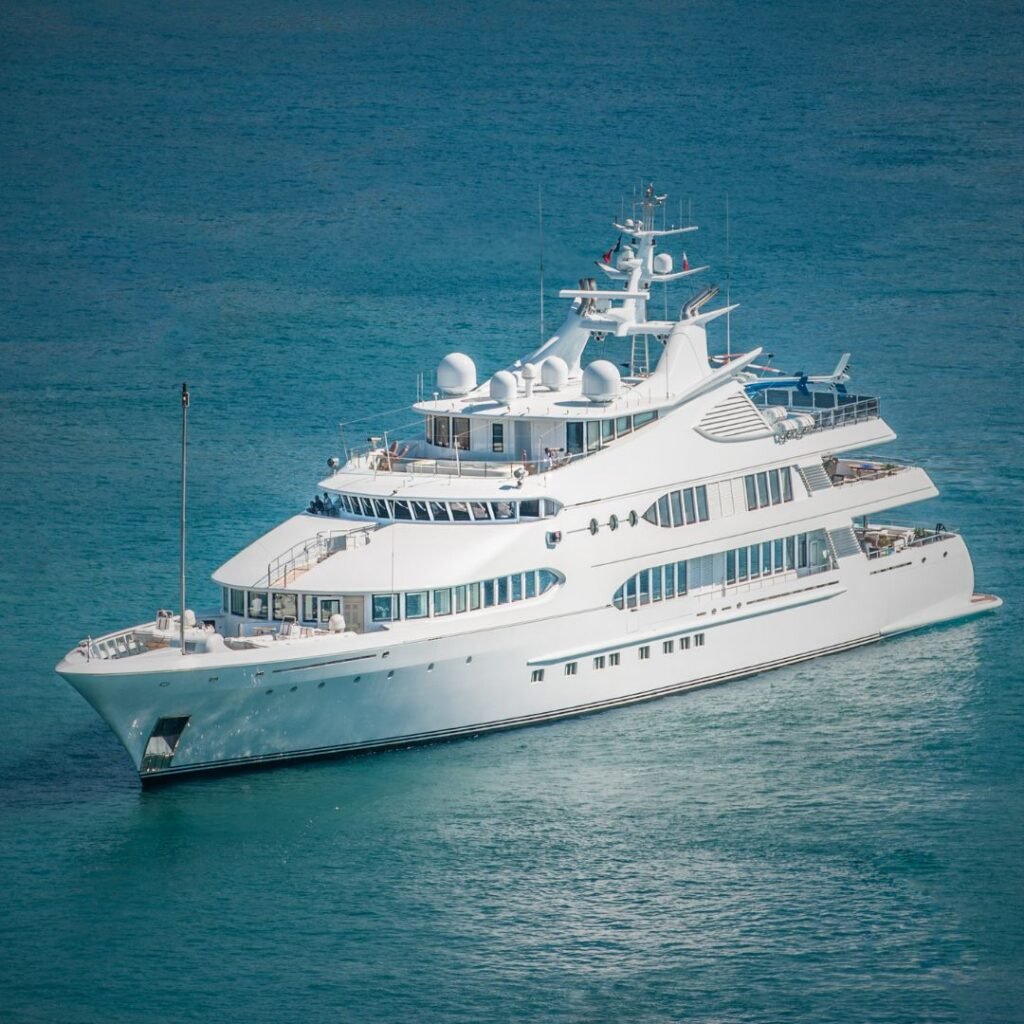

SEO built around the research behavior of high-value maritime clients
How do I work with Yacht Operators?

Fleet and Charter Page Optimization
Your vessel pages and charter offering pages are your primary commercial assets. I optimize them for the specific queries clients use when comparing options, evaluating vessel types, and deciding which operator to contact. This covers keyword strategy for each vessel category and route, on-page structure that satisfies both search intent and conversion requirements, and structured data implementation that improves how your offerings appear in search results and AI-generated travel recommendations.

Route and Destination Content Strategy
The content that earns trust from serious charter and cruise clients is specific, authoritative, and experiential. Route guides, destination pages, onboard experience content, vessel comparison content, and itinerary planning resources are all significant search opportunities that most maritime operators ignore entirely. I map these content types to the actual queries your target clients use at each stage of their research, build the structure that allows each piece to rank independently, and connect them into a funnel that moves research-phase traffic toward direct inquiry.

Technical SEO for Complex Maritime Websites
Fleet inventories, dynamic pricing, availability systems, and route-based content architectures create technical SEO challenges that generic audits miss. I work at the level of crawl analysis, log file review, JavaScript rendering, and URL architecture, identifying exactly where search engines lose access to your content and resolving it in a way that works within your existing platform. For operators with large inventories across multiple routes and seasons, crawl budget management and indexation strategy are critical priorities.

AI and LLM Visibility for Maritime Experiences
Affluent travelers increasingly use AI tools in the early stages of trip planning. When a prospective charter client asks an AI assistant for recommendations on crewed yacht itineraries in a specific region, or a diver asks about the best liveaboard operators for a particular destination, the response draws from sources the model considers authoritative and well-structured. I build those signals into your website and content from the ground up, positioning your operation to appear in AI-generated recommendations for maritime experiences.
Multilingual SEO for International Charter Markets
Yacht charter and cruise clients come from across the globe, each searching in their own language with their own intent patterns. A German client researching Mediterranean sailing searches in German. A Japanese client planning a liveaboard experience searches in Japanese. I build multilingual search visibility through correct hreflang architecture, content adapted to each market’s search behavior, and international keyword research that reflects how your specific target audiences actually search for the experiences you offer.

Competitor and Aggregator Displacement Strategy
Understanding which searches your ideal clients are using, and which aggregators, brokers, and listing platforms are intercepting those searches, is the foundation of a realistic SEO strategy for maritime operators. I map the full search landscape around your routes, vessel types, and destinations, identify where third-party platforms are most vulnerable to displacement, and build a content and authority strategy designed to own those searches directly over time.