

I’ve been managing local SEO campaigns for hotels and DMOs across three continents, and BrightLocal consistently delivers the clearest picture of where your tourism business actually stands in local search. While Google Analytics tells you what happened after someone clicked, BrightLocal shows you why they found you in the first place.
After setting up BrightLocal for 40+ tourism clients, from boutique hotels in Costa Rica to entire destination marketing campaigns in Europe, I can walk you through exactly how to configure this platform for maximum impact in the tourism sector.
Why BrightLocal Works for Tourism Businesses
Tourism is hyperlocal by nature. A hotel in Madrid competes differently than one in Barcelona, even within the same chain. BrightLocal captures these nuances through location-specific tracking that most enterprise SEO tools miss.
The platform excels at three critical areas for tourism: local pack rankings, citation consistency, and Google Business Profile performance. These directly impact booking conversions because travelers make decisions based on local search results, not generic organic rankings.
I learned this the hard way when a hotel client in Guanacaste was ranking #1 for “hotels Costa Rica” nationally but nowhere to be found for “hotels Tamarindo” locally. BrightLocal caught this disconnect immediately.
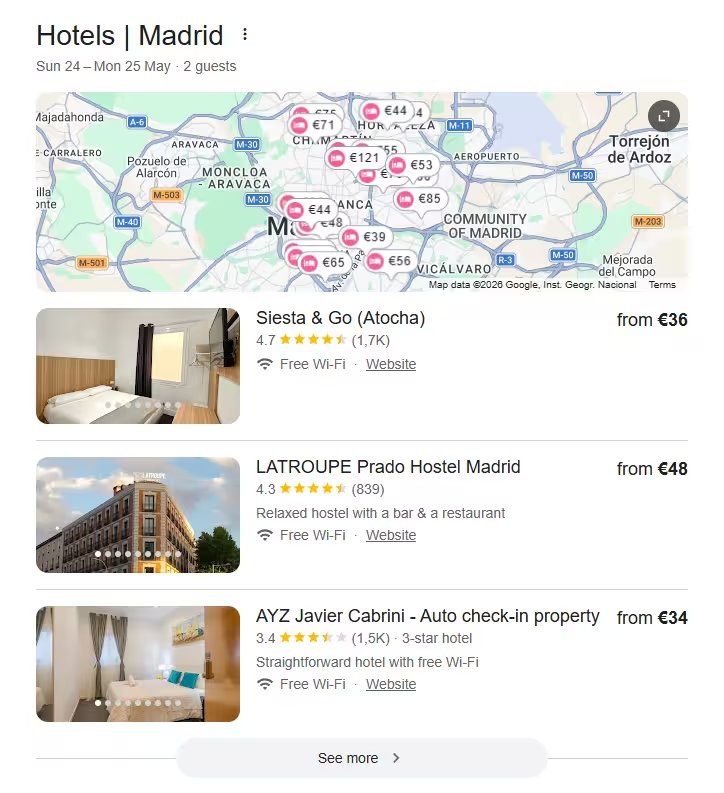
Setting Up Rank Tracking for Hotels
Hotel rank tracking requires a different approach than standard local business monitoring. Start by creating separate campaigns for each property location, even within the same brand.
Focus your keyword list on booking intent terms: “hotels near [landmark]”, “[city] hotels tonight”, “where to stay [destination]”. Include seasonal variations like “Christmas hotels [city]” and “summer vacation [region]” based on your peak seasons.
Set up location grids that match your actual guest origins. For a beach resort, track rankings from the nearest airport, major feeder cities, and the immediate local area. I typically use 5-10 mile radius for urban hotels, 25-50 miles for resort destinations.
Enable mobile tracking as your primary focus. Over 70% of hotel searches happen on mobile devices, and mobile local pack results differ significantly from desktop.
DMO Campaign Configuration
Destination marketing organizations need broader geographic coverage with deeper keyword depth. Create campaigns that mirror your visitor personas: family travelers, business tourists, adventure seekers, cultural tourists.
Track keywords by visitor intent stages: awareness (“things to do [destination]”), consideration (“best time to visit [destination]”), and decision (“[destination] hotels booking”). This three-tier approach reveals where content gaps exist.
Use BrightLocal’s competitor tracking to monitor other destinations competing for the same visitor segments. When I worked with a European DMO, tracking competitor destinations revealed seasonal keyword opportunities we hadn’t considered.
Set up location tracking from major source markets. If 40% of visitors come from Germany, track rankings from Berlin, Munich, and Frankfurt, not just local positions.
Citation Management for Tourism Properties
Tourism businesses appear on more citation sources than typical local businesses: TripAdvisor, Booking.com, Expedia, regional tourism boards, local chambers, and industry directories.
BrightLocal’s citation builder covers standard business directories but you’ll need manual additions for tourism-specific sources. Create a custom list including your destination’s official tourism website, relevant travel blogs that accept submissions, and niche booking platforms.
Monitor citation consistency monthly, not quarterly. Hotel information changes frequently: seasonal closures, renovation periods, package updates. Inconsistent citations directly impact local pack rankings and booking platform visibility.
Pay attention to category consistency across citations. “Hotel” vs “Lodging” vs “Accommodation” creates confusion for both search engines and potential guests. Standardize on the category that aligns with your Google Business Profile.
Google Business Profile Insights Integration
BrightLocal’s GBP integration reveals patterns invisible in native Google insights. Connect your profiles and focus on these tourism-specific metrics:
Search query analysis shows actual terms people use to find your property. I discovered a client’s beachfront hotel was being found through “scuba diving [location]” more than “beach hotel [location]”. This insight reshaped their content strategy completely.
Photo performance metrics indicate which images drive the most engagement. For hotels, room photos typically outperform exterior shots, but amenity photos (pools, restaurants, spas) often generate the highest click-through rates.
Review response tracking helps maintain consistent brand voice across properties. Set up alerts for negative reviews and monitor response times. Travelers expect acknowledgment within 24-48 hours.

Competitive Analysis Setup
Add direct competitors plus one tier above and below your positioning. A 3-star hotel should track other 3-star properties, select 4-star competitors, and relevant 2-star options that might capture price-sensitive travelers.
For DMOs, include neighboring destinations and aspirational competitors. If promoting a mountain destination, track both similar mountain regions and beach destinations that might capture the same visitor during trip planning.
Monitor competitor GBP updates monthly. Hotels and destinations frequently update photos, posts, and business information. Competitive intelligence helps identify trends and opportunities before they become industry standards.
Reporting and Analysis Workflows
Create monthly reports that align with booking patterns, not calendar months. For seasonal destinations, report on pre-season, peak season, and post-season performance to identify trends.
Focus reports on actionable metrics: local pack ranking changes, citation accuracy scores, and GBP interaction rates. Skip vanity metrics like total keyword tracking numbers unless they correlate with booking increases.
Set up automated alerts for ranking drops exceeding 3 positions and citation inconsistencies above 10%. These thresholds catch problems before they impact booking volumes.
Cross-reference BrightLocal data with booking platform analytics and direct reservation systems. Local SEO improvements should correlate with increased booking inquiries within 30-60 days.
Integration with Tourism Marketing Stack
Connect BrightLocal data to your booking engine analytics and CRM system. Local search visibility improvements should translate to increased direct bookings and reduced commission costs.
Use local keyword insights to inform paid search campaigns and social media content calendars. Keywords performing well in local organic search often convert efficiently in Google Ads local campaigns.
Share citation audit results with your reputation management team. Consistent business information across all platforms improves both search visibility and guest experience.
Advanced Tourism Applications
Multi-location hotel groups benefit from BrightLocal’s white-label reporting. Create branded reports for individual property managers while maintaining centralized campaign oversight.
Seasonal tourism businesses should adjust tracking frequency based on operational periods. Increase monitoring during peak season and booking windows, reduce during closure periods.
International tourism properties need location tracking from source markets in different countries. This requires careful IP geolocation setup to ensure accurate ranking data.
Common Tourism Industry Mistakes
Don’t track rankings only from your business location. Guests search from airports, other hotels, and their home cities before traveling. Geographic tracking should match customer journey patterns.
Avoid generic keyword lists copied from other industries. Tourism keywords include location modifiers, activity terms, and seasonal qualifiers that standard keyword tools often miss.
Never ignore citation sources specific to your destination. Regional tourism boards and local visitor guides often carry more weight for local rankings than generic business directories.

Measuring ROI from Local SEO Tracking
Track correlation between local pack ranking improvements and direct booking increases. A hotel client saw 23% more direct bookings within two months of achieving consistent top-3 local pack rankings.
Monitor reduced dependency on OTA commissions as local visibility improves. Better local search presence typically increases direct booking ratios by 15-30% over six months.
Calculate time savings from automated citation monitoring versus manual audits. BrightLocal typically saves 8-12 hours monthly for multi-location properties.
Frequently Asked Questions
How often should tourism businesses audit local citations?
Monthly for active properties, quarterly for seasonal operations. Tourism businesses change information frequently due to renovations, seasonal closures, and package updates. Inconsistent citations hurt local rankings immediately.
What’s the minimum number of keywords to track for a hotel?
Start with 50-75 keywords covering your location, property type, and key amenities. Include variations for mobile vs desktop search patterns. Add seasonal terms based on your peak booking periods.
Should DMOs track rankings for individual attractions or the destination overall?
Both. Create separate campaigns for major attractions while maintaining destination-wide tracking. Attraction-specific data informs content creation while destination data guides overall marketing strategy.
How do BrightLocal costs compare to enterprise SEO platforms for tourism?
BrightLocal costs 60-80% less than enterprise platforms while providing better local search insights. For tourism businesses, local visibility matters more than generic organic rankings that enterprise tools emphasize.
Can BrightLocal track international local search rankings?
Yes, but setup requires careful geolocation configuration. Track from major source markets where your guests originate, not just your business location. International tracking works best for destinations with clear feeder cities.
Ready to improve your tourism business’s local search visibility?
I help hotels and DMOs implement comprehensive local SEO tracking systems that directly correlate with booking increases. Get in touch for a customized BrightLocal setup consultation.

About the Author
I’m Peter Sawicki, a Destination SEO Strategist helping tourism brands and DMOs grow their online presence through SEO, technical audits, and creative digital strategies. Over the years I’ve worked across multiple countries and markets, which gives me a global perspective on every project I take on. When I’m not optimizing websites, you’ll most likely find me underwater. Scuba diving is where my two biggest passions meet.