Ahrefs vs SEMrush for Tourism SEO: Which One to Choose in 2026?
I have used both Ahrefs and SEMrush across tourism clients. Which one is better?...

Travel is a global industry, but tourism websites that compete in only one language leave entire markets untapped. Travellers in Germany, Spain, Japan, and Brazil are searching for exactly what you offer, right now, in their own language. Without a proper multilingual SEO strategy, your site is invisible to all of them.
I help tourism businesses build international search visibility that goes far beyond translation. Every multilingual SEO strategy I build is rooted in how international travellers actually search. Reaching the right travellers, in the right language, in the right market.
Incorrect hreflang tags cause Google to index the wrong language version for the wrong country. Duplicate content across language versions can trigger ranking penalties. Pages optimised for translated keywords rather than locally researched ones attract the wrong traffic. These are not rare edge cases in travel websites. They are the norm.
How I Can Help You Grow
Ranking in multiple languages requires more than adding a language switcher to your site. Below are the core areas I work on to build genuine international search visibility for tourism businesses.
Keyword research for international SEO is not a translation exercise. I research how travellers in each target market actually search. Which phrases they use, what intent sits behind them, and which local competitors are already capturing that traffic. Every language gets its own keyword strategy built from scratch.
Hreflang tags tell search engines which language version of your page to show to which user in which country. When implemented incorrectly, they cause ranking conflicts, duplicate content issues, and wrong-language pages appearing in the wrong markets. I audit, fix, and implement hreflang correctly.
The way your multilingual site is structured – whether using subdirectories, subdomains, or ccTLDs, has a direct impact on how search engines crawl and rank each version. I advise on the right structure for your specific situation and implement it in a way that supports long-term international ranking growth.
Localisation goes beyond translation. Travellers in each market have unique expectations, questions, and triggers for booking. I build content strategies that reflect local search behaviour, local competitors, and regional booking patterns. So each language version of your site feels built for that market, not copied.
Multilingual sites carry a specific set of technical risks. Duplicate content across language versions, incorrect canonical tags, crawl budget spread too thin across directories, and rendering issues that affect only certain language versions. I audit and resolve these issues before they compound into ranking losses.
Correct configuration of international targeting in Google Search Console is a critical step that many multilingual tourism sites skip entirely. I set up and verify geo-targeting settings for each language version, ensuring Google serves the right content to the right audience in each market.
From Discovery to Growth
Every international SEO engagement follows a structured process, but the markets, languages, and technical setup inside it are specific to your site and your audience. Here is exactly how I work, from the first audit to ranking in new markets.
I start by mapping your current multilingual setup. Hreflang configuration, URL structure, language targeting, and how Google currently crawls and indexes each language version.
For each target language, I research how local travellers actually search. This goes beyond translating existing keywords. It is a full keyword strategy around local search.
I implement or fix hreflang tags, URL structure, international targeting in GSC, and any technical issues affecting how search engines crawl your multilingual content.
Based on the keyword research, I build a content plan for each language version, ensuring every page speaks to the search intent of that specific market and your clients.
International rankings are monitored per market and per language. As visibility grows in existing markets, I identify new language opportunities and expand the strategy.
Peter completely transformed our online visibility. Within a few months we were ranking for terms we never thought we could compete for, and direct bookings increased noticeably. The whole process was transparent and he always explained what he was doing and why.

Sarah M.
Boutique Hotel Owner, Costa Rica
We brought Peter in to lead SEO operations for several of our clients and the results were outstanding. He managed the team with a clear strategic vision, kept clients informed at every stage, and delivered rankings that genuinely moved the needle on revenue.

Robert Mitchell
Marketing Director at Valde Media
We partnered with Peter from day one. Before we had a website, visibility, or a single organic booking. His job was to build our entire digital presence from scratch: SEO strategy, content, conversion funnels, the whole thing. It took a lot of hard work, but it paid off.

David Mercer
Manager, Costa Rica Divers

Sarah M.
Boutique Hotel Owner, Costa Rica
"From Invisible to Fully Booked X"
"Peter completely transformed our online visibility. Within a few months we were ranking for terms we never thought we could compete for, and direct bookings increased noticeably. The whole process was transparent and he always explained what he was doing and why.

Robert Mitchell
Marketing Director at Valde Media
"SEO Manager Clients Always Asked For"
"We brought Peter in to lead SEO operations for several of our clients and the results were outstanding. He managed the team with a clear strategic vision, kept clients informed at every stage, and delivered rankings that genuinely moved the needle on revenue.

David Mercer
Manager, Costa Rica Divers
"From Zero to #1 Booking Channel"
"We partnered with Peter from day one. Before we had a website, visibility, or a single organic booking. His job was to build our entire digital presence from scratch: SEO strategy, content, conversion funnels, the whole thing. It took a lot of hard work, but it paid off.
Every segment of tourism searches differently. A DMO competes against aggregators. A dive centre competes against experience platforms. A yacht charter company barely shows up in organic search at all. I've worked across all of them, and that breadth is what makes the difference.

DMOs face a unique paradox: they promote destinations that other platforms monetise. I've helped DMOs reclaim search authority and become the definitive source for travellers, not just a footnote beneath aggregators and listing sites.

Every guest booked directly is a commission saved. I help hotels build the organic presence that reduces third-party dependency and brings guests straight to their booking engine, at a fraction of the acquisition cost. That's the goal I optimise for.

The decision to book a tour is made long before anyone searches for an operator. I help tour operators show up during the research phase, when travellers are comparing options and trust is still being built. Be there.

This is where my story starts. I built a dive centre's entire digital presence from scratch and turned organic search into its number one booking channel. I know this segment from the inside.

High-value, and heavily dependent on brokers and listing platforms. I help yacht charter companies build direct organic visibility that puts them in control of their own bookings.

Travellers searching for ski resorts, safari operators, or rafting experiences search with high intent and very specific queries. I develop strategies that capture that traffic directly.
Multilingual SEO for Tourism is one of the most technically demanding areas of search optimisation, and getting it wrong can set an international expansion back by months. These are the questions clients ask most before we start working on their visibility.

Multilingual SEO is the process of optimising a website to rank in search results across multiple languages and markets. For tourism businesses, it matters because travellers search in their own language. A site that only ranks in English is invisible to the majority of the global travel market.
No. Translation creates content, but it does not create rankings. To rank in a new language market you need market-specific keyword research, correct hreflang implementation, proper URL structure, and content that reflects how travellers in that market actually search. Translated pages either fail to rank or rank for the wrong queries.
It covers everything needed to rank in new language markets. International keyword research, hreflang implementation, URL structure review, localised content strategy, and technical audit of all language versions. You get a complete strategy built around your specific target markets, not a generic checklist.
Yes. Some clients need a focused multilingual audit and implementation project without a broader SEO engagement. Others prefer ongoing support across all areas including international. I adapt to what your business needs at this stage.
News & Blogs
Practical guides, real audits, and no-fluff insights on tourism SEO, content strategy, and what actually moves rankings in a competitive travel market.
I have used both Ahrefs and SEMrush across tourism clients. Which one is better?...
Learn how to map TOFU, MOFU, and BOFU content to the tourism booking funnel....
Most travel websites have the same problems. After numerous technical SEO audits, I have...
After dozens of SEO audits, the same mistakes keep showing up. Here are the...
Internal linking strategy for your website. Hub and spoke model, anchor text tactics, and...
Learn how NAP consistency tourism businesses rank higher in local search, build trust with...
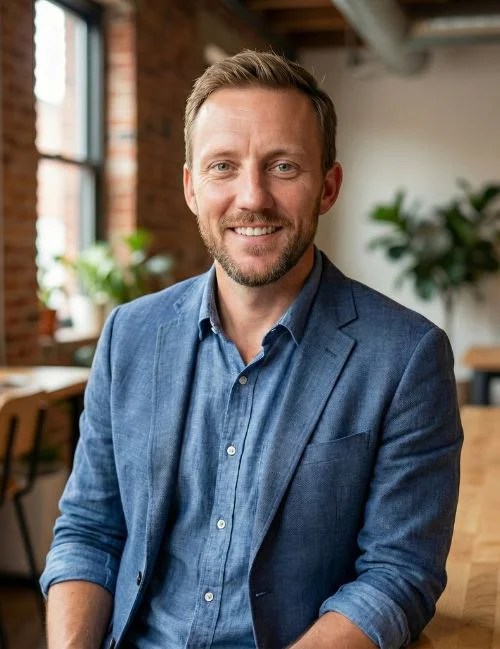
I’m an SEO consultant specializing in tourism and travel. Helping hotels, tour operators, destinations, and experience brands grow direct bookings through organic search. My work covers technical SEO, content strategy, and visibility across traditional and AI-driven search platforms.