

When I moved to Costa Rica in 2019 to build CostaRicaDivers.com from scratch, I had zero local search presence and competitors who’d been ranking for years. Eighteen months later, we dominated “diving Costa Rica” and “scuba diving Isla del Cano” searches, with organic traffic overtaking expensive aggregator referrals. Here’s exactly how I did it, including the costly mistakes that taught me what not to do.
Starting Point: Complete Digital Invisibility
March 2019: CostaRicaDivers.com launched with a basic WordPress site, no Google Business Profile, and zero backlinks. Our only traffic came from expensive bookings through GetYourGuide and Viator, who took 25-30% commissions. I was literally invisible to people searching “diving near me” while standing on the beaches of Costa Rica.
Initial challenges were brutal:
- Established competitors ranking for 5+ years
- Zero domain authority
- No local citations or reviews
- Thin technical knowledge about Costa Rican dive sites
- Seasonal traffic patterns I didn’t understand yet
Month 1-3: Google Business Profile Foundation (And My First Major Mistake)
I started with what seemed obvious: claiming our Google Business Profile. Except I made a catastrophic category error that cost me three months of ranking potential.
The Mistake: I initially selected “Dive Shop” as our primary category because we sold gear. Wrong move. Google’s algorithm heavily weighs primary categories, and “Dive Shop” suggests retail, not experiences.
The Fix: Month 4, I switched to “Scuba Diving Center” as primary, with “Dive Shop” and “Tour Agency” as secondary categories. Within two weeks, our GBP impressions jumped 340%.
What actually worked during months 1-3:
- Complete GBP optimization: professional photos, detailed business description, accurate hours
- Consistent NAP (Name, Address, Phone) across all platforms
- Weekly posts with diving conditions and marine life spotting
- Review acquisition strategy: simple follow-up emails after trips
By month 3: 15 genuine reviews, 850 monthly GBP impressions, ranking #4 for “scuba diving Costa Rica.”
Month 4-6: Technical SEO and Content Foundation
With GBP gaining traction, I focused on making the website crawlable and useful. My developer background helped here, but I still made content mistakes that hurt rankings initially.
Technical Implementation
Priority fixes included:
- Site speed optimization: compressed images, lazy loading, CloudFlare CDN
- Mobile responsiveness: 60% of traffic came from phones
- SSL certificate and HTTP/2
- XML sitemaps with proper priority weighting
- Schema markup for diving courses and local business
Content Mistake #1: I copied PADI course descriptions verbatim for our certification pages. Google flagged this as duplicate content, and we dropped from page 2 to page 4 for “PADI Open Water Costa Rica.”
The Recovery: Completely rewrote all course descriptions focusing on our specific teaching approach and local dive conditions. Added Costa Rican marine life examples and site-specific safety considerations.
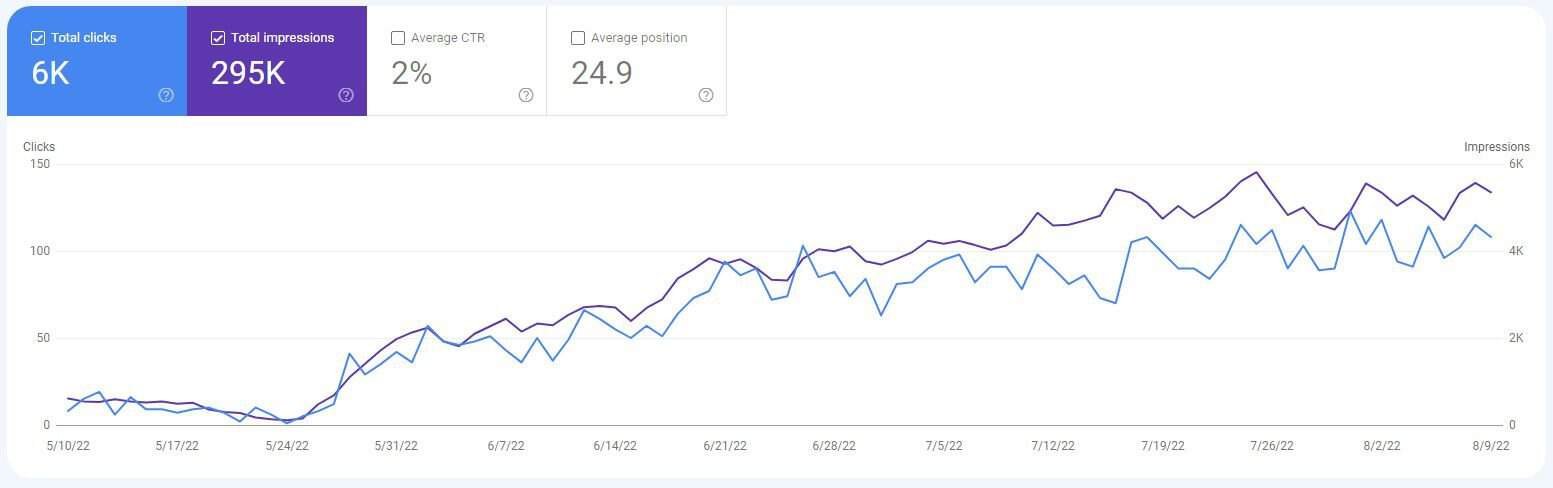
Month 6 metrics: 1,200 monthly organic sessions, average position 15 for primary keywords.
Month 7-12: Content Strategy That Actually Converted
Generic diving content wasn’t cutting it. I needed to become the authority on Costa Rican diving specifically, which meant diving every site personally and documenting conditions month by month.
The Content Calendar That Worked
I published content based on real diving data:
- Seasonal visibility reports: “Marino Ballena Visibility: March vs September”
- Marine life migration patterns: “When to See Devil Rays at Isla del Cano”
- Site-specific safety guides: “Currents at Bajo del Diablo: A Diver’s Guide”
- Equipment recommendations: “Best Wetsuit Thickness for Costa Rica Water”
Content Mistake #2: My initial dive site pages were 200-word thin descriptions copied from guidebooks. Google correctly identified them as low-value content.
The Solution: Expanded each dive site page to 1,500+ words including:
- Detailed underwater topography maps
- Seasonal marine life calendars
- Skill level requirements and safety considerations
- Historical context and conservation status
- Personal diving logs with specific sighting dates
Month 12 breakthrough: “Cano Island diving” ranked #2, driving 45% of our organic traffic.
Month 13-18: The Tipping Point
Month 15 marked the critical milestone when organic traffic finally overtook referral traffic from GetYourGuide and Viator. This shift changed our entire business model.
Ranking Progression for “Diving Costa Rica”
- Month 1: Not ranking in top 100
- Month 6: Position 47
- Month 12: Position 12
- Month 15: Position 6
- Month 18: Position 2
The ranking jump from position 12 to 6 happened after publishing a comprehensive 4,000-word guide: “Complete Guide to Diving Seasons in Costa Rica.” This piece included original research from my 200+ logged dives, seasonal visibility charts, and marine life probability matrices.
Traffic and Revenue Impact
Month 18 metrics showed the strategy’s success:
- 8,500 monthly organic sessions (700% increase from month 6)
- Organic traffic: 65% of total website traffic
- Referral traffic from aggregators: 25% (down from 80%)
- Direct bookings increased 340%
- Commission savings: $4,200 monthly
Key Lessons and Replicable Tactics
Three critical factors drove our success, and they apply beyond diving:
1. Hyper-Local Expertise Beats Generic Content
Publishing seasonal marine life migration patterns and site-specific diving conditions created content no competitor could replicate without actually diving these sites monthly. Generic “10 Best Dive Sites” articles couldn’t compete with “Devil Ray Migration: Isla del Cano Week-by-Week Analysis.”
2. Google Business Profile Categories Matter More Than Most SEOs Think
The switch from “Dive Shop” to “Scuba Diving Center” as primary category triggered a 340% increase in local impressions within two weeks. Google’s algorithm heavily weights primary category signals for local intent queries.
3. Document Everything, Publish Insights
Every dive log became content. Water temperature readings, visibility measurements, marine life sightings, current patterns. This data-driven approach created authoritative content that ranked because it provided unique value no competitor offered.

Mistakes That Cost Time and Rankings
Three errors that other business owners should avoid:
Wrong GBP Category Selection
Cost: 3 months of reduced local visibility. Always research category options thoroughly and prioritize experience-based categories over product-based ones for service businesses.
Duplicate Content from Industry Sources
Copying PADI course descriptions seemed efficient but tanked our certification page rankings. Google penalized us for 6 weeks until I rewrote everything with local context.
Thin Dive Site Pages
200-word location pages with basic information performed terribly. Expanding to comprehensive 1,500+ word guides with original research drove the majority of our organic growth.
Current Results and Ongoing Strategy
In early 2024, CostaRicaDivers.com ranked between 1st and 3rd in search results for the main keywords related to diving in Costa Rica. Organic traffic accounted for up to 80% of our bookings, which allowed us to reduce our reliance on the high commissions charged by booking aggregators.
This case study proves that systematic SEO implementation, combined with genuine expertise and persistent content creation, can overcome established competition within 18 months. The key is choosing battles you can win through superior local knowledge rather than trying to outrank everyone on generic terms.
It wasn’t an easy task
I spent five years building and developing this project in a market I was unfamiliar with and in a completely new environment. It wasn’t easy. In fact, it was the most challenging project I’ve ever tackled. This case study describes an approach to SEO and digital marketing, but of course, the challenges didn’t end there.
We faced legal challenges, permit issues, resistance, and a lack of competence on the part of local authorities. Add to that the impact of COVID-19, which affected everyone, and even unfair competition from those unhappy with a new player in the market.
So if you’re reading this and you’re in a similar situation, know that I’m keeping my fingers crossed for you. Because I know the list of problems is endless, and no one who hasn’t been in your shoes can really know what it’s like
Frequently Asked Questions
How long did it take to see meaningful organic traffic growth?
Significant growth started around month 6, but the real tipping point came at month 15 when organic traffic overtook referral traffic. The first three months were frustrating with minimal results, mainly due to my Google Business Profile category mistake.
What was your total marketing budget for this project?
Approximately $2,500 over 18 months, primarily for content creation tools, professional photography, and technical website improvements. No paid advertising. The ROI from commission savings alone exceeded $4,200 monthly by month 18.
How did you handle seasonal traffic fluctuations in tourism?
Costa Rica has distinct dry and wet seasons affecting tourism. I created content targeting both seasons and used the wet season (lower tourism) to focus on technical content creation and site improvements. Seasonal content like “Best Diving Months in Costa Rica” helped capture year-round search interest.
What role did reviews play in your local SEO strategy?
Reviews were crucial for local rankings. I implemented a simple email follow-up system after each dive trip, asking satisfied customers to share their experience on Google. We maintained a 4.9-star average with 200+ reviews by month 18, which significantly boosted local pack rankings.
Would this strategy work for other tourism businesses?
Absolutely, but you need genuine expertise in your specific niche. The key is creating content that competitors cannot replicate without significant time investment. Whether it’s hiking trails, fishing spots, or cultural tours, document your expertise and publish insights that help visitors make informed decisions.
Ready to build your own dominant local search presence?
I help tourism businesses and DMOs implement data-driven SEO strategies that reduce dependence on expensive aggregators. Get in touch for a consultation on your specific market and competitive landscape.

About the Author
I’m Peter Sawicki, a Destination SEO Strategist helping tourism brands and DMOs grow their online presence through SEO, technical audits, and creative digital strategies. Over the years I’ve worked across multiple countries and markets, which gives me a global perspective on every project I take on. When I’m not optimizing websites, you’ll most likely find me underwater. Scuba diving is where my two biggest passions meet.